
The chatbot algorithm learns the data from past conversations and understands the user intent. Chatbots are trained using predefined responses and understand human language through natural language processing. The machine learning algorithms in AI chatbots allow them to mimic human conversation and act like a real-life agent.
Artificial Intelligence in chatbots gives automated responses to customers. If you are an e-commerce business owner, AI chatbot algorithms will reduce your tasks efficiently. If you are curious about how chatbots learn and respond instantly, this article will provide you with information about the advanced technologies behind chatbots in simpler terms! If you’re ready to put these technologies to work, our guide on implementing AI chatbots for customer service walks you through the practical steps from setup to optimization.
Natural Language Processing (NLP) – How Chatbots Hold Natural Conversations
Natural language processing in Artificial Intelligence technology helps chatbots to converse like a human. The advanced machine learning algorithms in natural language processing allow chatbots to learn human language effortlessly. Chatbots with NLP easily understand user intent and purchasing intent.
Natural Language Understanding (NLU) – Complex Questions
After processing the human conversation through NLP, Natural language understanding converses with the customers by understanding the structure of the conversation. NLU breaks complex sentences into simpler ones to interpret human messages.
Chatbots process the information through NLP and understand human interactions through NLU. Pragmatic analysis and discourse integration are the significant steps in Natural Language Understanding that help chatbots to define exact meaning.
How Machine Learning Algorithms Power AI Chatbots
Machine learning algorithms in AI chatbots identify human conversation patterns and give an appropriate response. Machine learning technology in Artificial Intelligence chatbots learns without human involvement. But, machine learning technology can give incorrect answers to customers without a human operator. Therefore, you need human agents to help chatbots rectify mechanical mistakes.
Also Read: 9 Reasons to Choose Machine Learning Chatbots with HITL for Your Website
Supervised Training to test chatbot algorithm
If you want your chatbots to give an appropriate response to your customers, human intervention is necessary. Machine learning chatbots can collect a lot of data through conversation. It needs a human agent to supervise the conversation. If your chatbot learns racist, misogynistic comments from the data, the responses can be the same. These rude responses can hamper the image of your brand. HITL(Human-in-the-loop) is necessary to regularly update and train your bot.
Human agents look into the chatbot’s conversations and if there is any question that a chatbot cannot handle, the human operator tackles the question. Human agents also test the chatbot algorithm regularly and train them appropriately. With supervised training, chatbots give more appropriate responses instantly. This continuous refinement is exactly the chatbot learning behind automated support that makes AI-driven customer service more effective over time.
Generative Chatbots – Deep Learning
Generative chatbots are the most advanced chatbots that answer the basic questions of customers. Deep learning technology in the generative model helps chatbots to learn from the basic intents and purposes of complex questions. Generative chatbots understand voice commands and recognize speech.
Chatbots get smarter day by day and converse like real people. Deep learning technology makes chatbots learn the conversion even from famous movies and books. The deep learning technology allows chatbots to understand every question that a user asks with neural networks.
How Artificial Neural Networks (ANN) Help Chatbots Learn
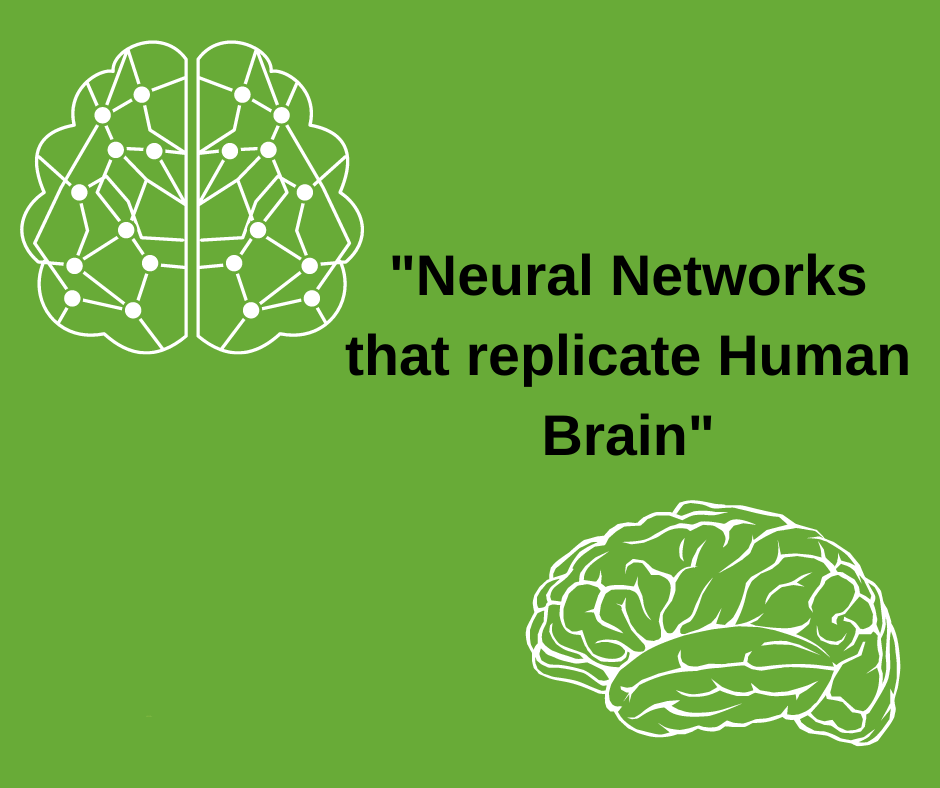
Artificial neural networks(ANN) that replicate biological brains, and chatbots recognize customers’ questions and recognize their audio with ANN. Chatbots learn new intents of the customers easily with deep learning and Artificial Neural Networks and engage in a conversation.
1. Learn from previous conversations – Pattern Matching
As we’ve read above, AI chatbots learn from previous conversations and match the conversation patterns. Chatbots with machine learning algorithms learn automatically and collect more data.
If you are setting up an AI chatbot for your online business, it understands customer behavior by matching the patterns. If a new website visitor asks similar questions to a chatbot, it responds instantly by analyzing the related pattern. For a human agent, it is difficult to remember every customer’s conversation, but chatbots with AI technology understand the user’s text instantly. As your business grows, it’s worth exploring the AI chatbot features that scale with your business to ensure your chosen solution keeps pace with increasing customer demand.
2. Sentiment Analysis – Learns emotive questions
Sentiment analysis in natural language processing technology identifies the emotive questions and their tones. You don’t have to worry about indifferent responses by chatbots. With sentiment analysis, chatbots analyze customers’ opinions.
Non-AI chatbots can answer emotive questions as AI chatbots do. They learn the basic intents and understand common phrases to answer customers’ questions. To enhance online shoppers’ experience, AI chatbots are the best choice compared to others. If you’re wondering how this applies to popular tools like ChatGPT, it’s worth understanding why custom AI outperforms ChatGPT for ecommerce when it comes to real store performance.
Generative and Scripted AI to engage shoppers in conversational eCommerce.
Create happy customers while growing your business!
-
1 out of 4 shoppers make a purchase on average*
-
5% to 20% Increase in AOV*
-
25% to 45% Reduction in Support Tickets
WE GUARANTEE RESULTS!
*When shoppers engage with Ochatbot®
3. Learn and Reply Faster with Instant Messaging
An online business owner should understand the customers’ needs to provide appropriate services. AI chatbots learn faster from the data and reply to customers instantly. Your customers don’t have to wait for a response.
A Built-in AI chatbot is more efficient to understand every user intent and resolves their problems as quickly as possible. Adding more NLP solutions to your AI chatbot helps your chatbot to predict further conversations with customers.
4. Training Data and Text Classification in AI Chatbots
AI-based chatbots collect data from the users’ conversations, unlike rule-based chatbots. Rule-based chatbots or Flow bots have a defined set of rules. If a customer asks a question that doesn’t fit into the rules, rule-based chatbots don’t give an appropriate answer. But AI-powered chatbots learn the data and human agents test, train, and tune the model.
With constant training and updates, AI-powered chatbots will learn every piece of information properly. Online business owners can implement chatbots for lead generation, to make customers purchase products and provide a human-like conversation. To see how these learned capabilities translate into real-world deployments, explore AI customer service chatbots in practice and how businesses are applying these algorithms today.
5. Knowledge Database: How Chatbots Store and Retrieve Information
Chatbots store up every piece of information and analyze a large volume of data. The machine learns from the data and replies to the customers. A knowledge database allows chatbots to respond instantly to the stored information.
If a customer asks a question that is not in the knowledge database, chatbots will connect them to human agents. So, website visitors will not leave your website without getting their issues resolved.
How Chatbot Algorithms Continue to Learn and Improve
Adding new intents to the bot and constantly updating it make the AI chatbots understand every question better. Understanding user intent is necessary to develop a conversation appropriately. As these algorithms mature, they directly shape how AI powers modern customer service across industries.
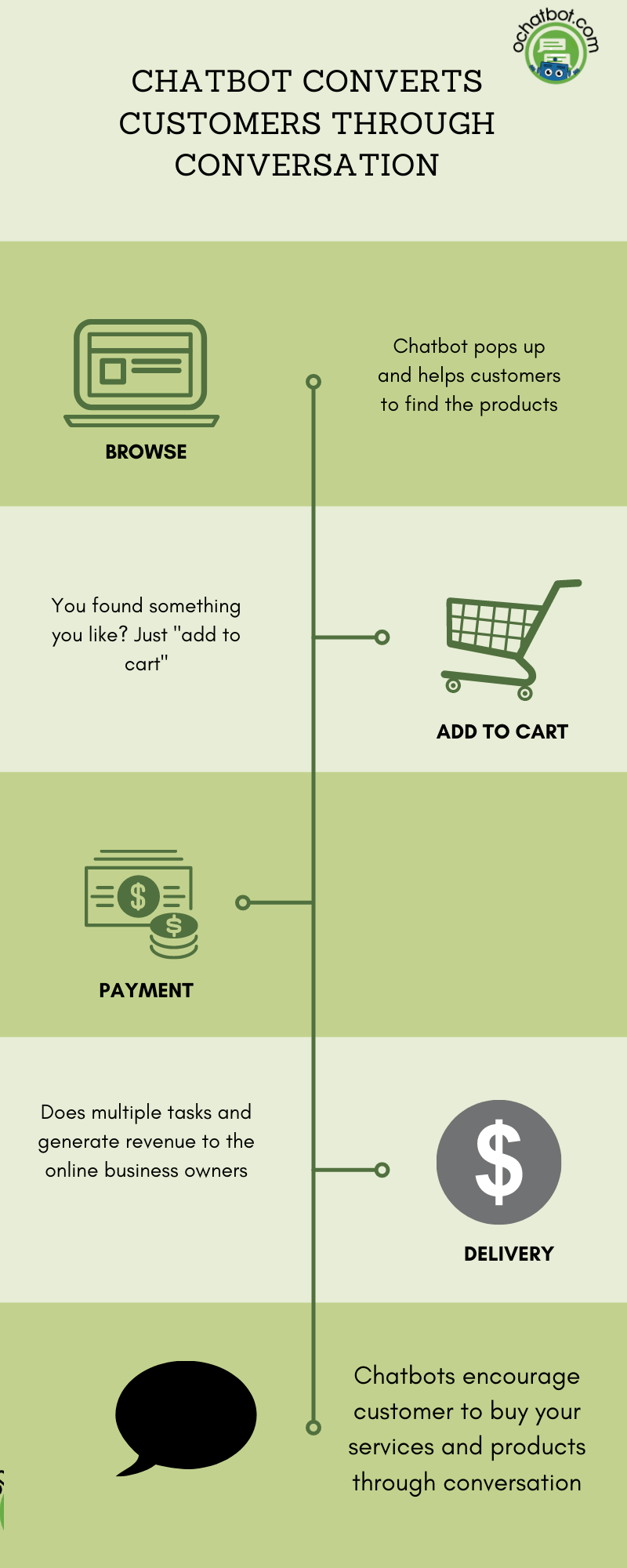
AI chatbots are generating revenue for online businesses by encouraging customers to purchase their services and products. Chatbots with these advanced technologies learn and remember data efficiently, compared to human agents. Supervised learning is always effective in rectifying common errors in the chatbot conversation.
Ochatbot has global intents and standard intents to increase the effectiveness of a conversation with built-in AI. This AI chatbot will connect with you to the live agents if it cannot handle complex questions. Do you want to generate revenue for your business? Ochatbot is one of the best options to enhance customer experience and increase sales!
Latest Posts
Frequently Asked Questions
1. What is the difference between Machine Learning and Deep Learning?
Machine learning allows the software to learn everything within the data using machine learning algorithms. Deep learning uses an artificial neural network that simulates the human brain to analyze and interpret data.
2. What are the two types of Machine Learning in chatbots?
Supervised Machine Learning and unsupervised machine learning are the two types. Supervised machine learning chatbots work on both machine and human intelligence to provide appropriate responses to website visitors.
3. What is purchase intent in AI chatbots?
AI chatbots read the purchase intent of a user intent through the conversation. If an AI chatbot predicts the purchase intent of a user, it encourages the user to buy the product.

Frequently Asked Questions
How do chatbots learn from conversations?
The chatbot algorithm learns the data from past conversations and understands the user intent. Chatbots are trained using predefined responses and understand human language through natural language processing. The machine learning algorithms in AI chatbots allow them to mimic human conversation and act like a real-life agent.
What is the role of Natural Language Processing (NLP) in chatbots?
Natural language processing in Artificial Intelligence technology helps chatbots to converse like a human. The advanced machine learning algorithms in natural language processing allow chatbots to learn human language effortlessly. Chatbots with NLP easily understand user intent and purchasing intent.
What is Natural Language Understanding (NLU) and how does it help chatbots handle complex questions?
Natural language understanding converses with the customers by understanding the structure of the conversation. NLU breaks complex sentences into simpler ones to interpret human messages. Pragmatic analysis and discourse integration are the significant steps in Natural Language Understanding that help chatbots to define exact meaning.
Why is human supervision necessary when training AI chatbots?
If your chatbot learns racist, misogynistic comments from the data, the responses can be the same. These rude responses can hamper the image of your brand. HITL (Human-in-the-loop) is necessary to regularly update and train your bot.
What is the difference between machine learning and deep learning in chatbots?
Machine learning allows the software to learn everything within the data using machine learning algorithms. Deep learning uses an artificial neural network that simulates the human brain to analyze and interpret data.
How do generative chatbots use deep learning to answer questions?
Deep learning technology in the generative model helps chatbots to learn from the basic intents and purposes of complex questions. Generative chatbots understand voice commands and recognize speech. The deep learning technology allows chatbots to understand every question that a user asks with neural networks.
How do AI chatbots differ from rule-based chatbots in learning and handling user questions?
AI-based chatbots collect data from the users' conversations, unlike rule-based chatbots. Rule-based chatbots or Flow bots have a defined set of rules. If a customer asks a question that doesn't fit into the rules, rule-based chatbots don't give an appropriate answer. But AI-powered chatbots learn the data and human agents test, train, and tune the model.
How do chatbots use sentiment analysis to respond to emotional questions?
Sentiment analysis in natural language processing technology identifies the emotive questions and their tones. You don't have to worry about indifferent responses by chatbots. With sentiment analysis, chatbots analyze customers' opinions.
What is purchase intent and how do AI chatbots detect it?
AI chatbots read the purchase intent of a user intent through the conversation. If an AI chatbot predicts the purchase intent of a user, it encourages the user to buy the product.
How do chatbots store and retrieve information to answer customer questions?
Chatbots store up every piece of information and analyze a large volume of data. The machine learns from the data and replies to the customers. A knowledge database allows chatbots to respond instantly to the stored information. If a customer asks a question that is not in the knowledge database, chatbots will connect them to human agents.